
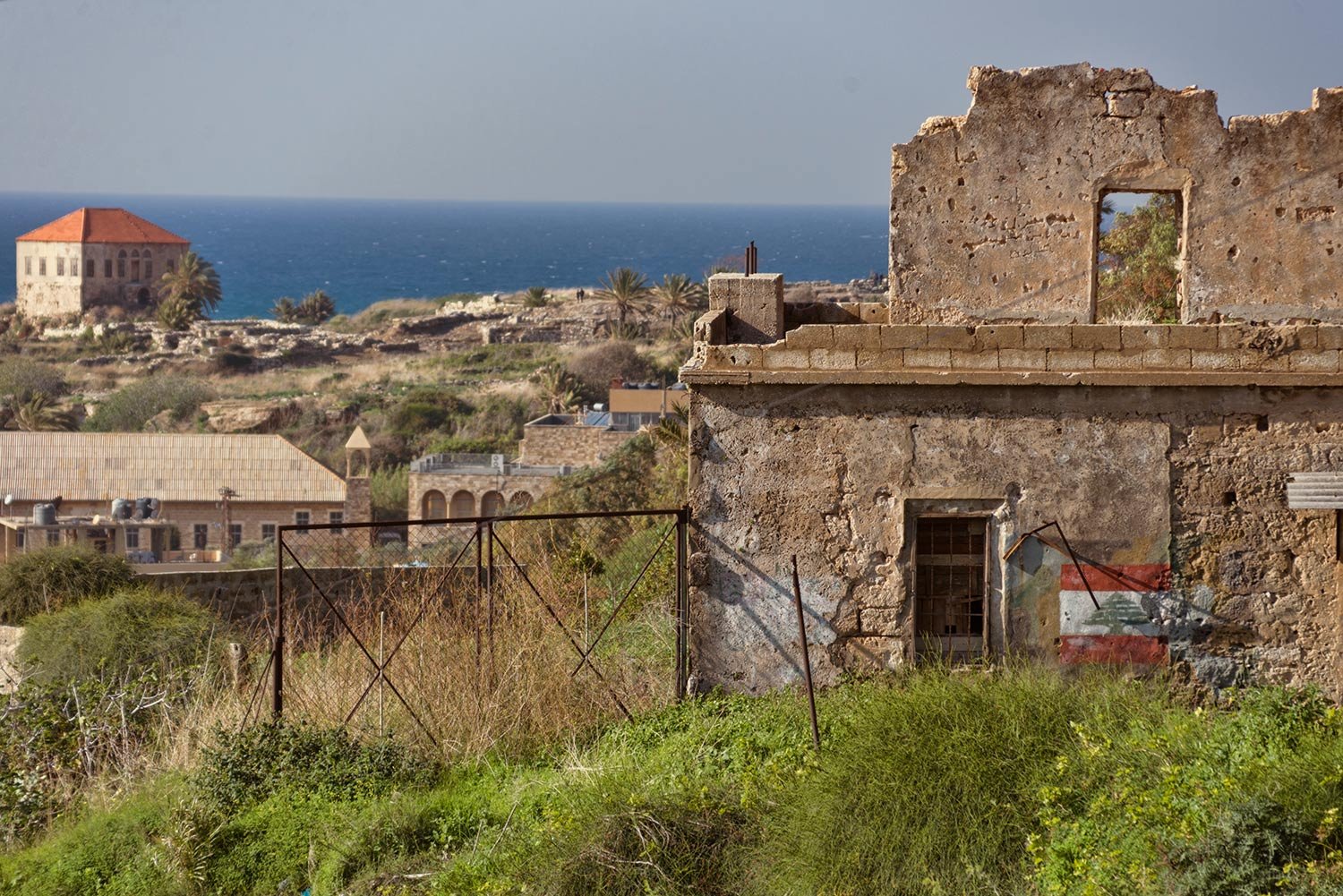
An inhabited city
Byblos is not a preserved city. It is an inhabited one.
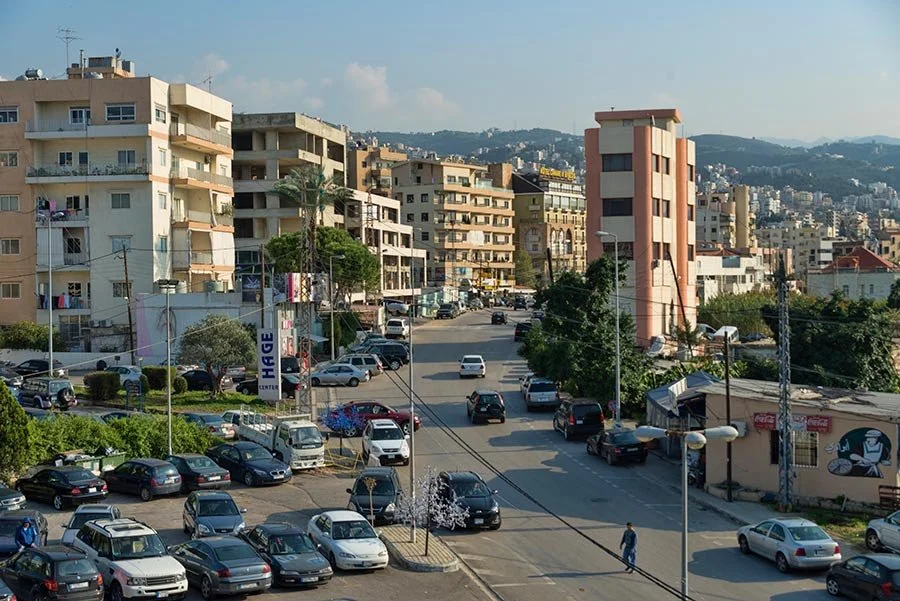
Around fifty thousand people live here today, between the coast, the nearby hills, and the old center.
Daily life unfolds without staging.
Residents cross the same spaces that were occupied before them, sometimes for millennia.
Nothing clearly indicates where the past begins, or where it ends.
The port, still active
The sea as heritage
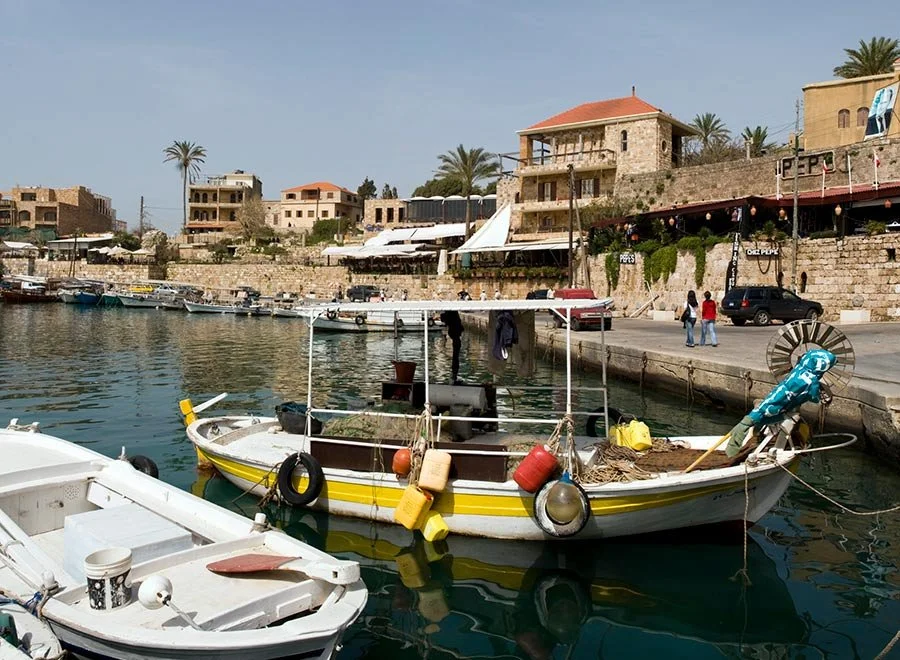
In Byblos, the sea is still there, and the harbor with it.
But today’s harbor is not exactly the same as in Antiquity.
The shoreline, the layout, and the uses have changed.
What remains, however, is the maritime function of the place.
Today, fishing boats and small vessels occupy this space, extending in their own way an ancient history turned toward the Mediterranean.
The old city
Within the old city, movement follows narrow routes shaped by older streets.
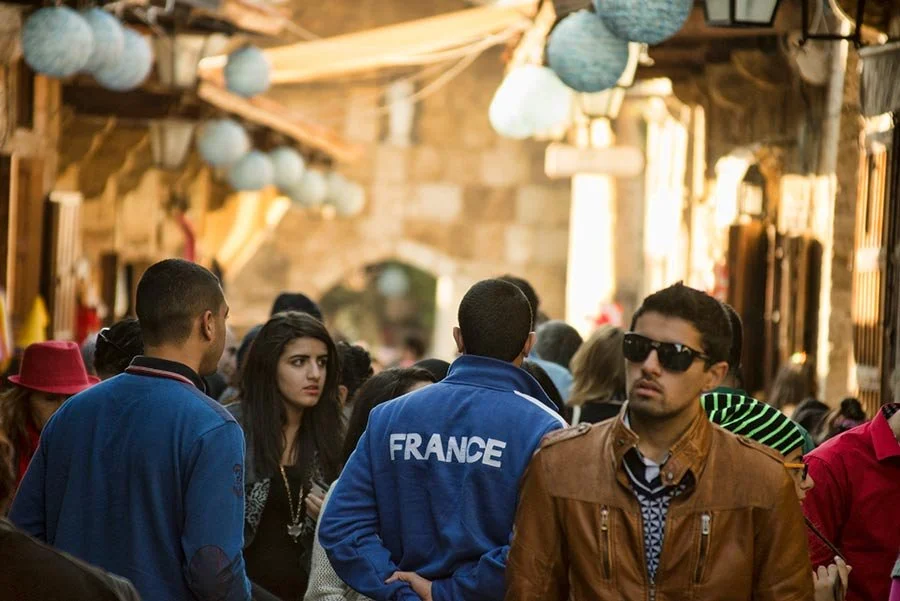
The souk, set within an urban fabric inherited from the Ottoman period, remains a place of passage and activity. Shops, workshops, and places to eat are all found there.
The stone buildings, with their arches and characteristic roofs, reflect an architecture adapted to climate and local uses.
The old city is not isolated. It continues to be crossed, used, and transformed.
Places of worship and continuities
Several religious buildings mark the urban landscape.
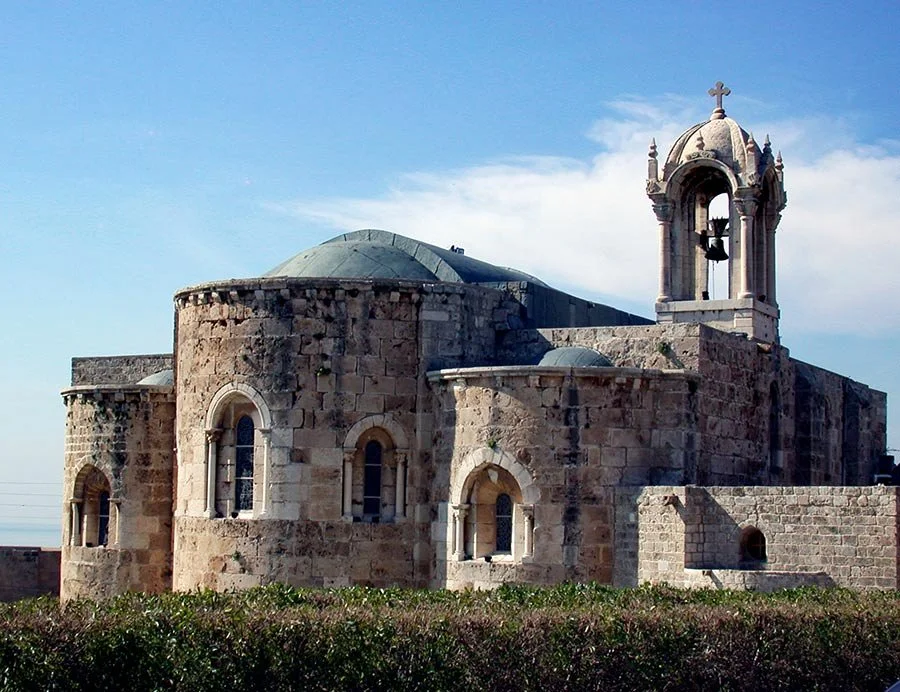
Among them are the Church of Saint John Mark, built in the Crusader period, and the Greek Orthodox Church of Saidet al Najat, inherited from the Byzantine period.
These buildings testify to the succession of religious and cultural influences in the city.
Some were built on older structures, extending a logic that has existed since Antiquity: reuse, adapt, transform.
A city looking ahead
Byblos continues to evolve.
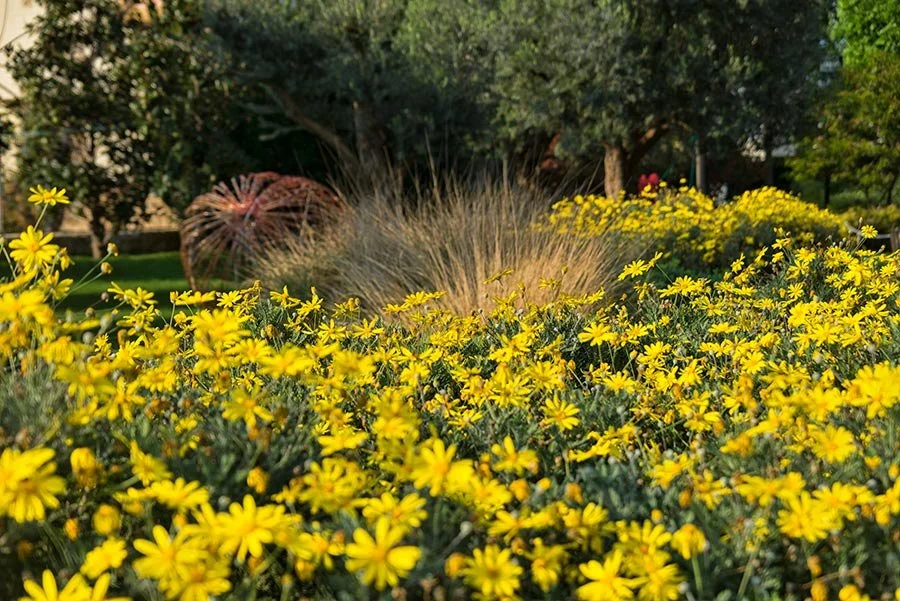
Recent interventions are changing circulation and uses: pedestrian areas, electric shuttles, and promenade projects linking the port and the waterfront.
The city also hosts cultural events, including an international festival organized in the historic center.
These transformations do not seek to freeze the city in a past image. They accompany its development while taking its heritage into account.