
Entering the layers of time
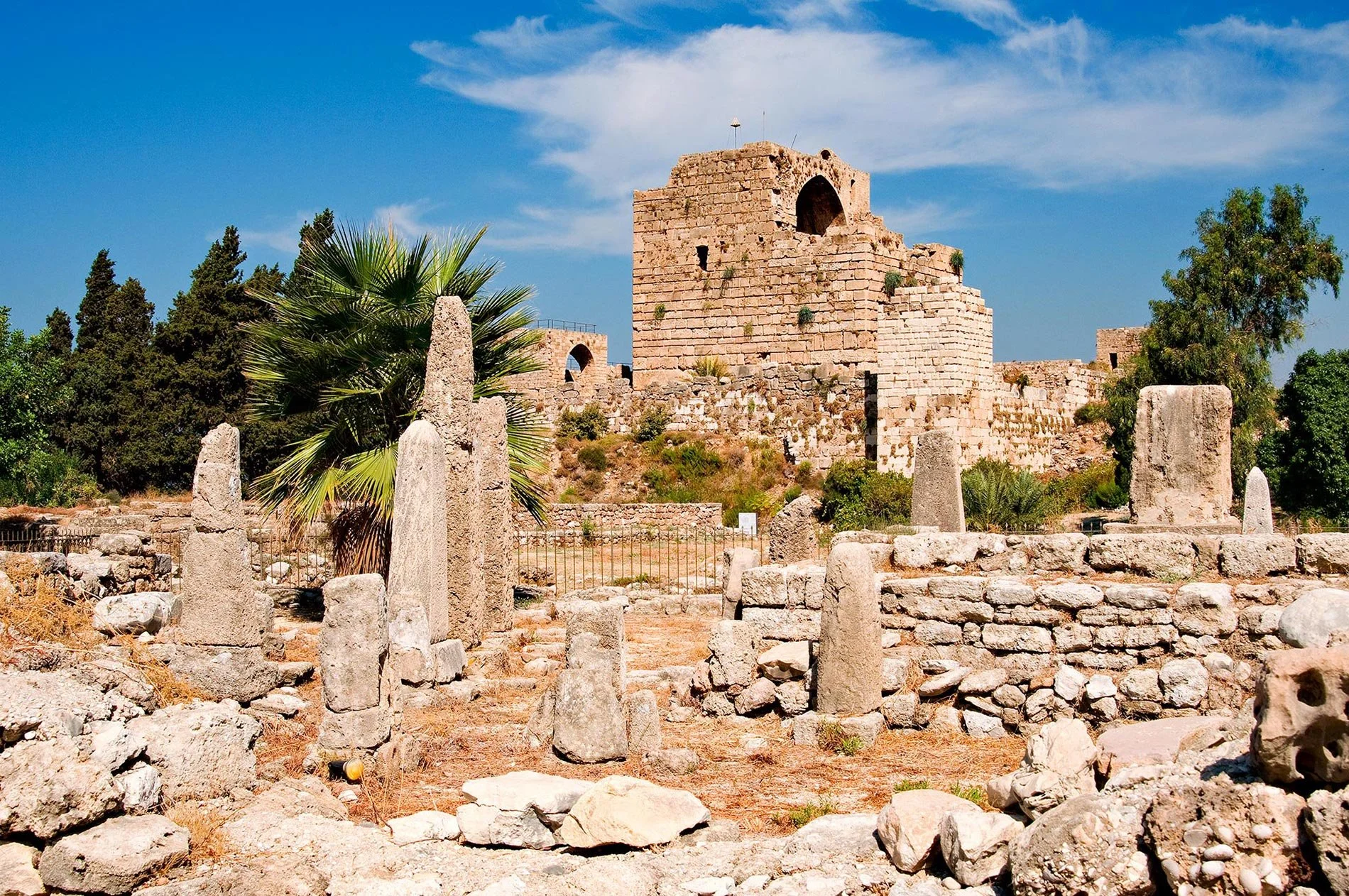
The archaeological site of Byblos is not discovered like a monument, but like a journey through time.
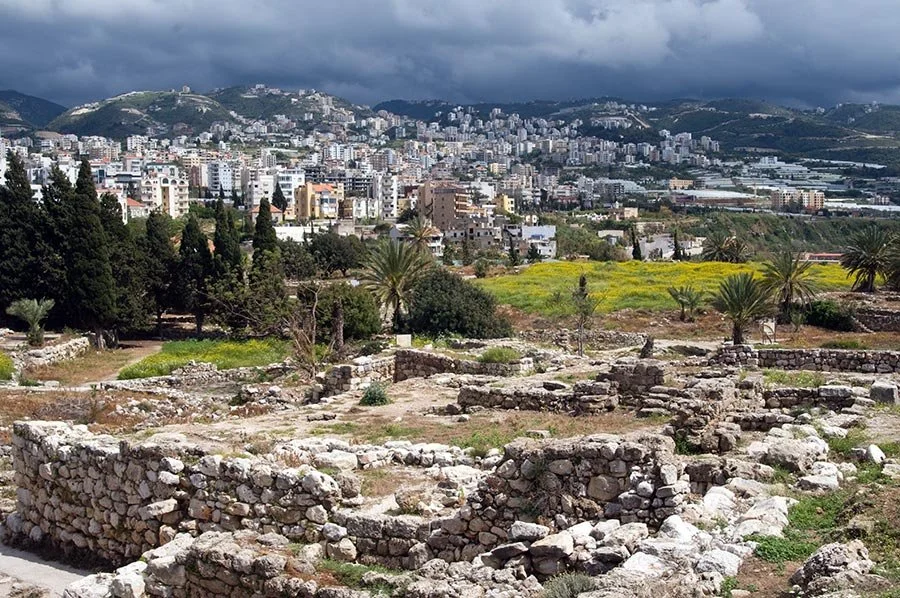
At first glance there are stones, walls, and alignments. But as you move forward, something else appears: an organization, levels, ruptures.
Each zone belongs to a period. Every stone has been placed, moved, and reused.
Here, history does not spread out. It stacks up.
The site preserves traces of successive occupations from the earliest human settlements to the medieval periods.
The earliest forms of dwelling
Lower down, the oldest traces emerge.
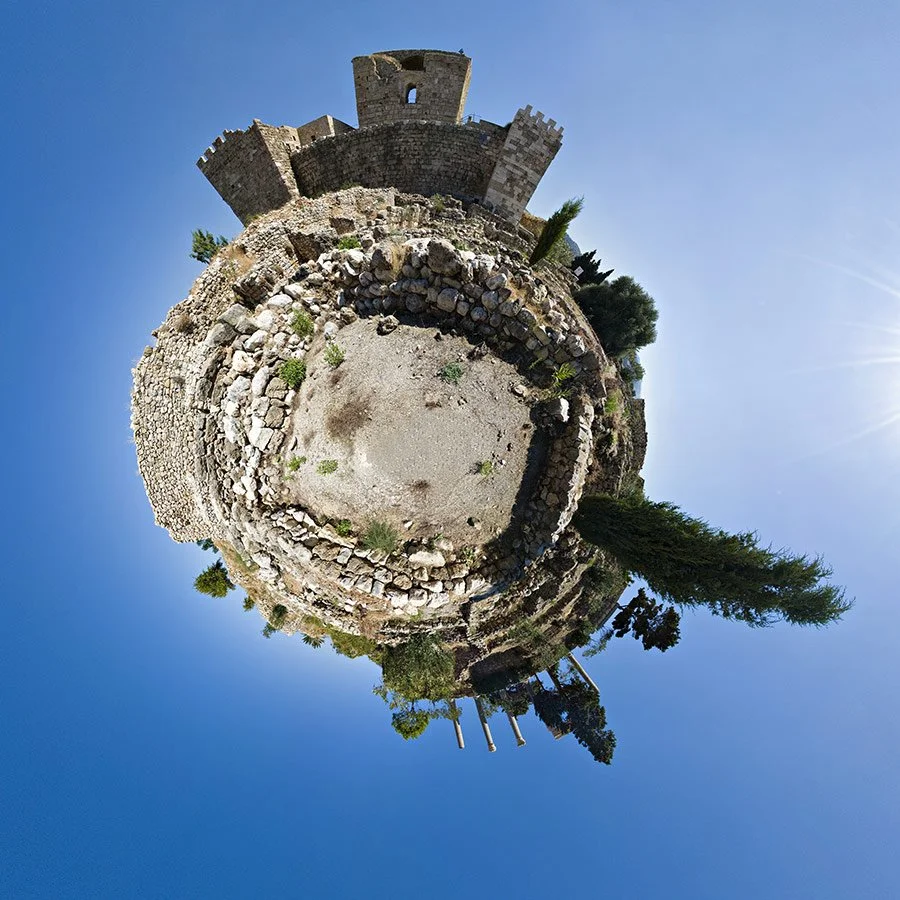
Simple structures, sometimes circular, sometimes rectangular. Dwellings built with available materials: stone, wood, earth.
These early forms of habitat reflect a way of life still close to nature, yet already organized.
People stored, lived, and even buried their dead here.
Some jars were used to preserve harvests. Others received the dead, in a position suggesting a return to origins.
The site thus preserves the memory of the first communities to settle here in a lasting way.
Temples and the center of the city
As you move toward the heart of the site, the scale changes.
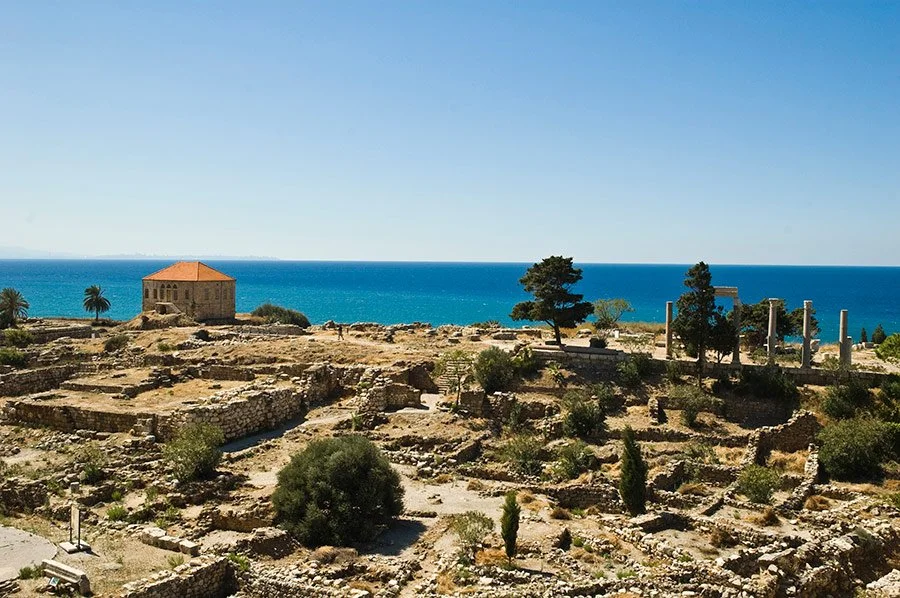
The structures become monumental. The city is organized around places of worship.
The Temple of Baalat Gebal, central to the ancient city, marks this transformation. Around it, other religious buildings develop, testifying to a structured and hierarchical society.
Temples are not only spiritual spaces. They are also economic, political, and symbolic centers.
Offerings are deposited there, objects are produced there, and power is asserted there.
The site reveals a city already fully formed, integrated into a wider cultural and religious network.
Long live the Kings!
Below the surface, other spaces exist.
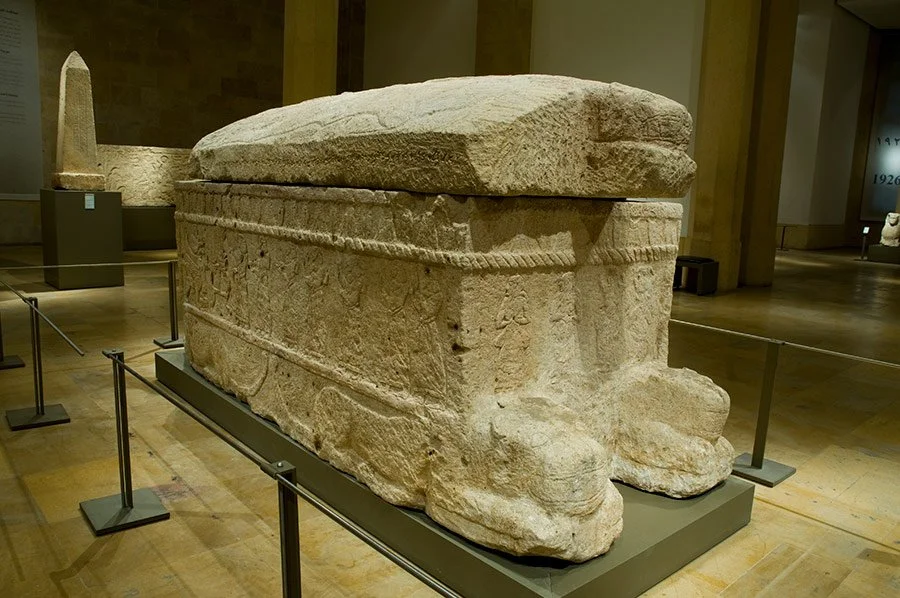
Shafts cut into the rock descend to funerary chambers. This is where the rulers of Byblos were laid to rest.
The royal necropolis reveals another dimension of the site: memory, power, and transmission.
Precious objects, foreign influences, and elaborate techniques all testify to the close ties between Byblos and other major civilisations, especially Egypt.
Among these discoveries, some inscriptions mark a turning point in the history of writing.
Beyond the object itself, what appears here is an intention: to leave a trace.
Transforming the city
With the Greek and then Roman periods, the city changes face.
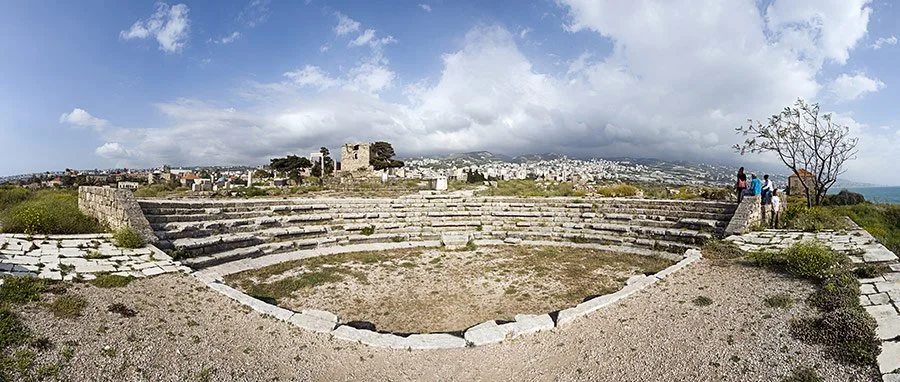
New arrangements appear: a theater, structured routes, public spaces.
The Romans do not erase the existing city. They transform it.
They reuse materials, adapt spaces, and impose new functions.
The theater, for example, was moved during modern excavations to reveal older layers beneath it.
That displacement alone sums up the logic of the site: each period rests on the one before it.
Stones that cross time
At the surface, medieval structures still dominate the landscape.
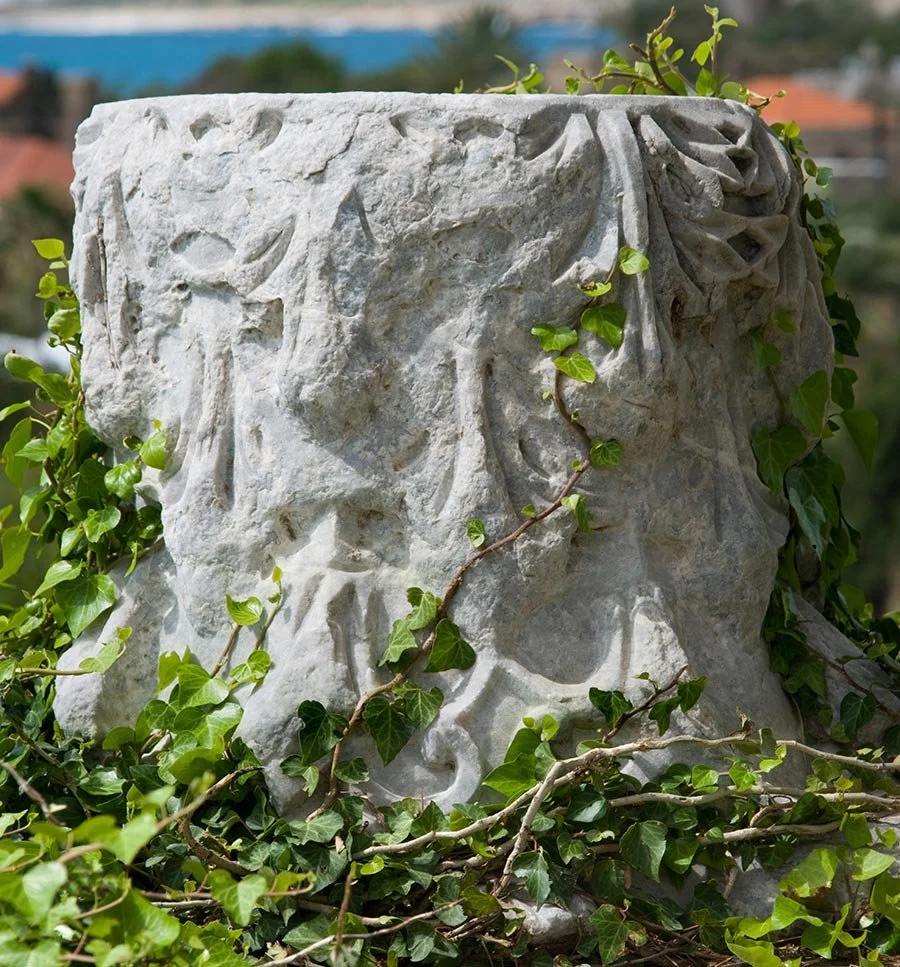
The Crusader castle, built in the 12th century, uses stones taken from older buildings. Columns, blocks, fragments: everything is reused.
The city continues to change, but never starts from nothing.
Each generation works with what is already there.
The archaeological site of Byblos does not show a fixed era. It reveals a process.
That of a city that is built, dismantled, and rebuilt again, always retaining part of what came before.