
The 22 Letters of the Phoenician Alphabet
At the origin of modern alphabets
Before words, there are signs.
Twenty-two simple forms, used more than 3,000 years ago on the shores of the Mediterranean, notably in Byblos, in present-day Lebanon.
They form one of the earliest alphabetic systems in history.
They do not record vowels.
They do not describe ideas.
They represent sounds.
This system, based on a limited number of signs, fundamentally changed the way writing works.
And since then, it has never truly disappeared.

An alphabet without vowels
The Phoenician alphabet is composed of 22 signs, each corresponding to a consonant.
It is written from right to left and does not record vowels.
Words are therefore formed only from consonants,
reducing the number of signs to learn and simplifying writing.
This system stands at the origin of many alphabets still used today.
Each letter associates a sound with a form, often inspired by objects, animals, or parts of the human body.
Letters derived from the living world
These signs originate from animals and natural forms, reflecting an early connection between writing and observation.


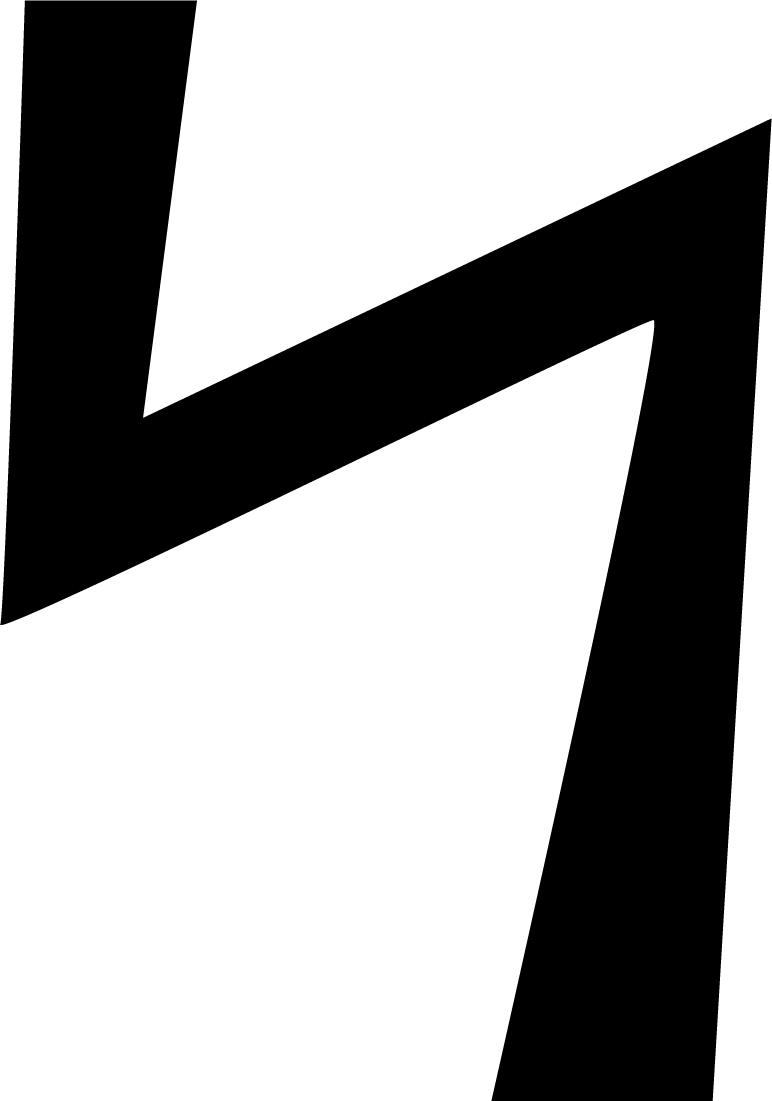
Letters related to the human body
Some letters refer directly to the human body, linking writing to gesture, perception, and speech.



Ayin
Origin: eye
Original meaning: sight, vision
Today: no direct letter; a distant influence in some later vocalic evolutions
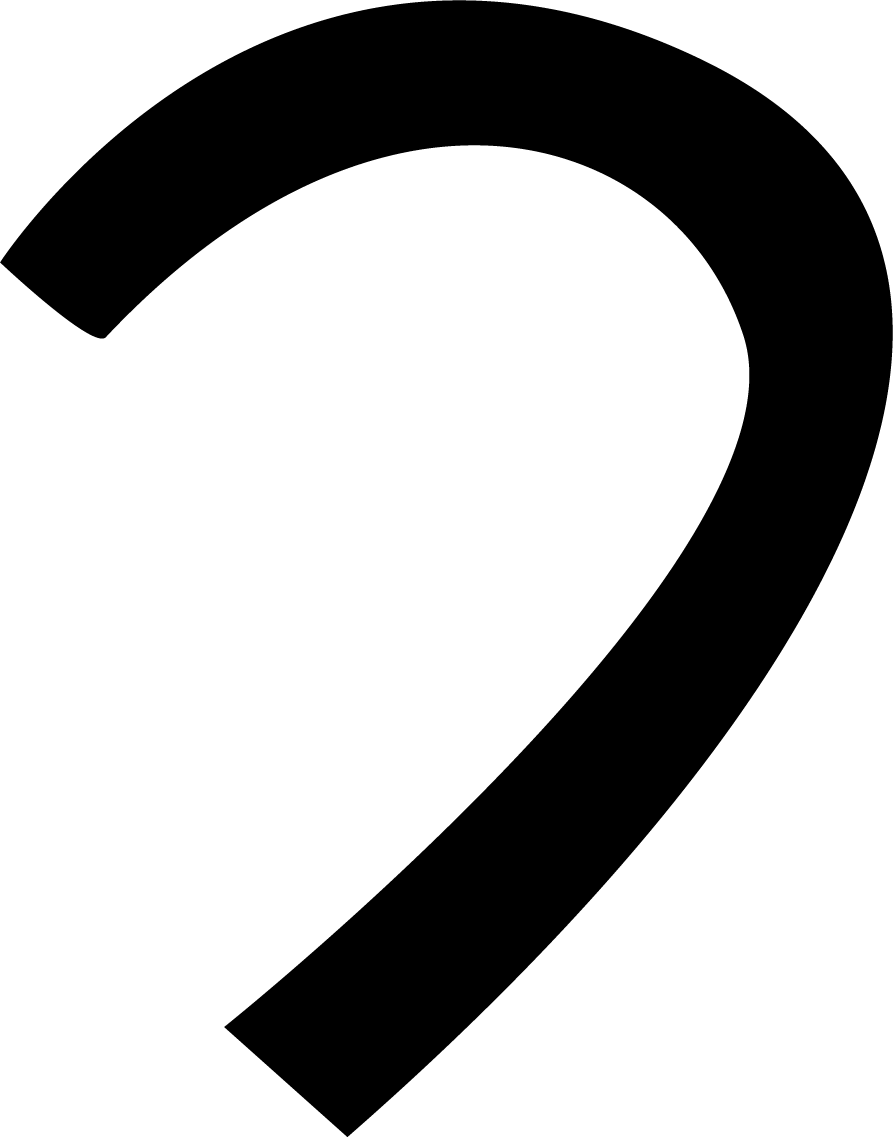
Pe
Origin: mouth
Original meaning: speech, voice
Today: P

Resh
Origin: head
Original meaning: thought, direction
Today: R

Sin
Origin: teeth
Original meaning: strength, transformation
Today: mostly S, with the sh sound preserved in other languages
Letters related to objects and environment
Most letters derive from simple objects of daily life, reflecting a concrete and practical world.



Qoph
Origin: needle or eyelet
Original meaning: precision
Today: Q








Samekh
Origin: support, pillar
Original meaning: stability, support
Today: S

Tsade
Origin: probably hook
Original meaning: capture, taking hold
Today: no direct letter

Taw
Origin: mark, crossed sign
Original meaning: signature, marker
Today: T
A simple system, a lasting structure
The 22 letters of the Phoenician alphabet are not isolated symbols.
They form a coherent system in which each sign corresponds to a sound.
By focusing only on consonants, writing becomes easier to learn, faster to use, and more adaptable.
This principle was adopted and transformed by other civilizations.
The Greek alphabet introduced vowels.
The Latin alphabet, still used today, directly derives from it.
What we see here is not just a list of signs.
It is a structure that has endured.
Common questions about the Phoenician alphabet
-
Because it records only consonants, reducing the number of symbols needed while still allowing words to be formed.
-
Vowels are implicit and carried by the spoken language. Readers supply them based on context.
-
Where was the Phoenician alphabet used?
-
Not directly, but it is the ancestor of the Greek and Latin alphabets, which form the basis of many modern writing systems.