
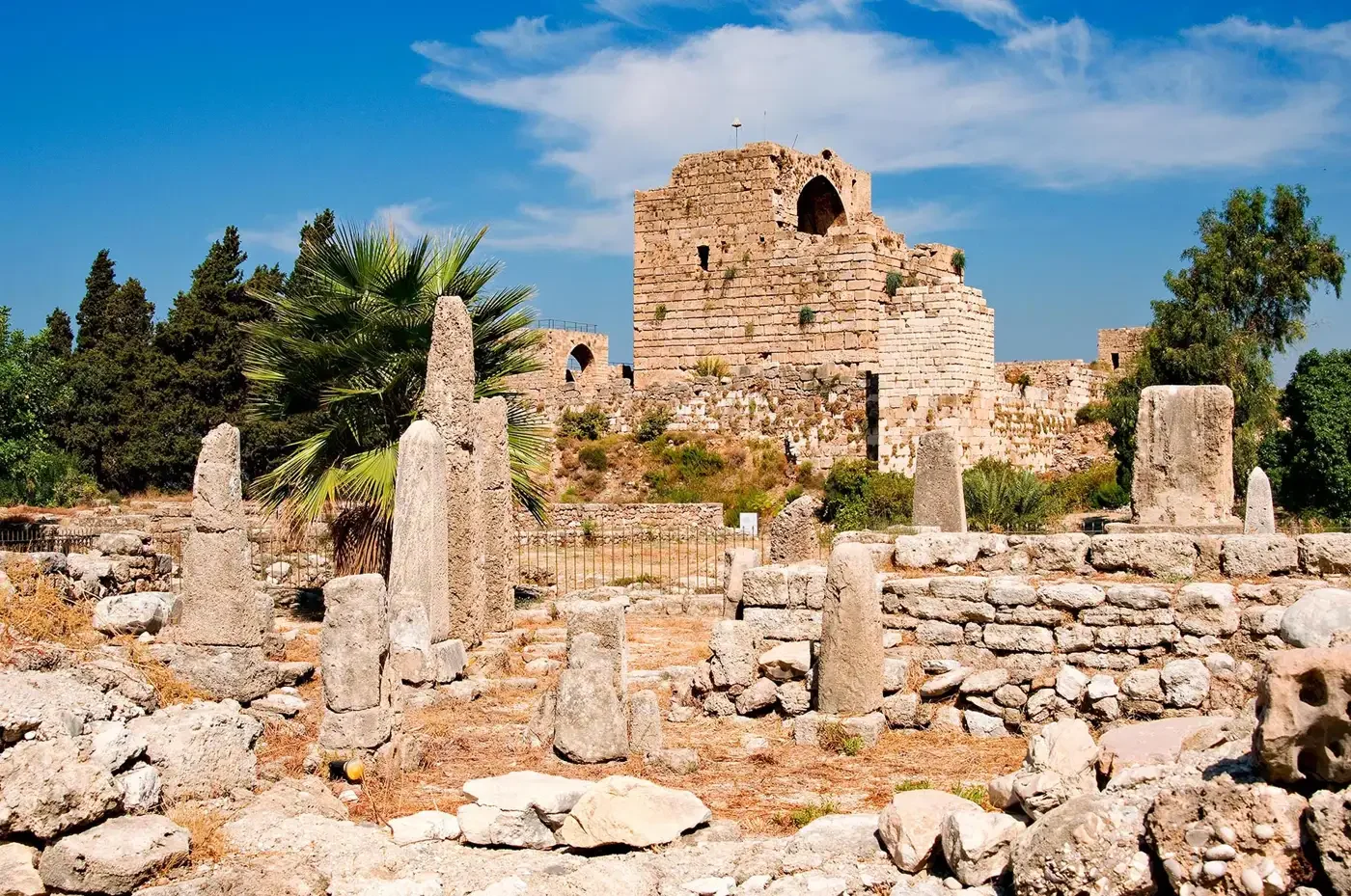
Walk through a city that has been inhabited for millennia
Here, history is not simply visited.
It is crossed.
Walk like a Phoenician…
Byblos is one of those places people think they know without ever fully understanding. Ruins, a port, ancient stones. Yet as you move forward, something else appears: an organisation, a set of relationships, a continuity.
This site offers another way to move through the city.
Observe. Connect. Understand.
Reading the city
History
Unesco site

Today
Around
A city still in use, between inherited practices and present-day transformations.
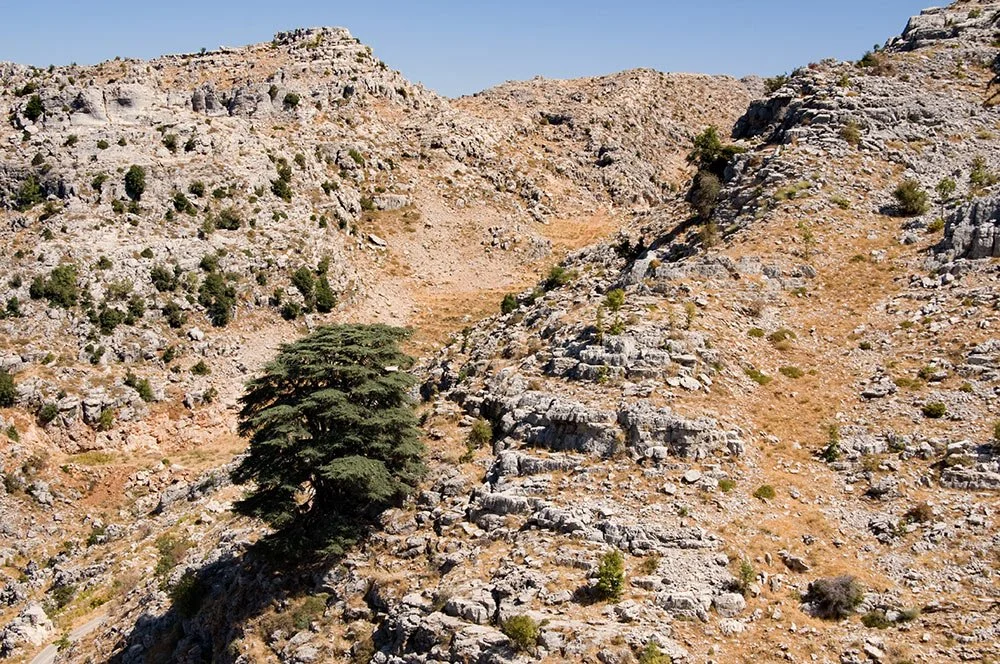
Understand the city by discovering its wider landscape.
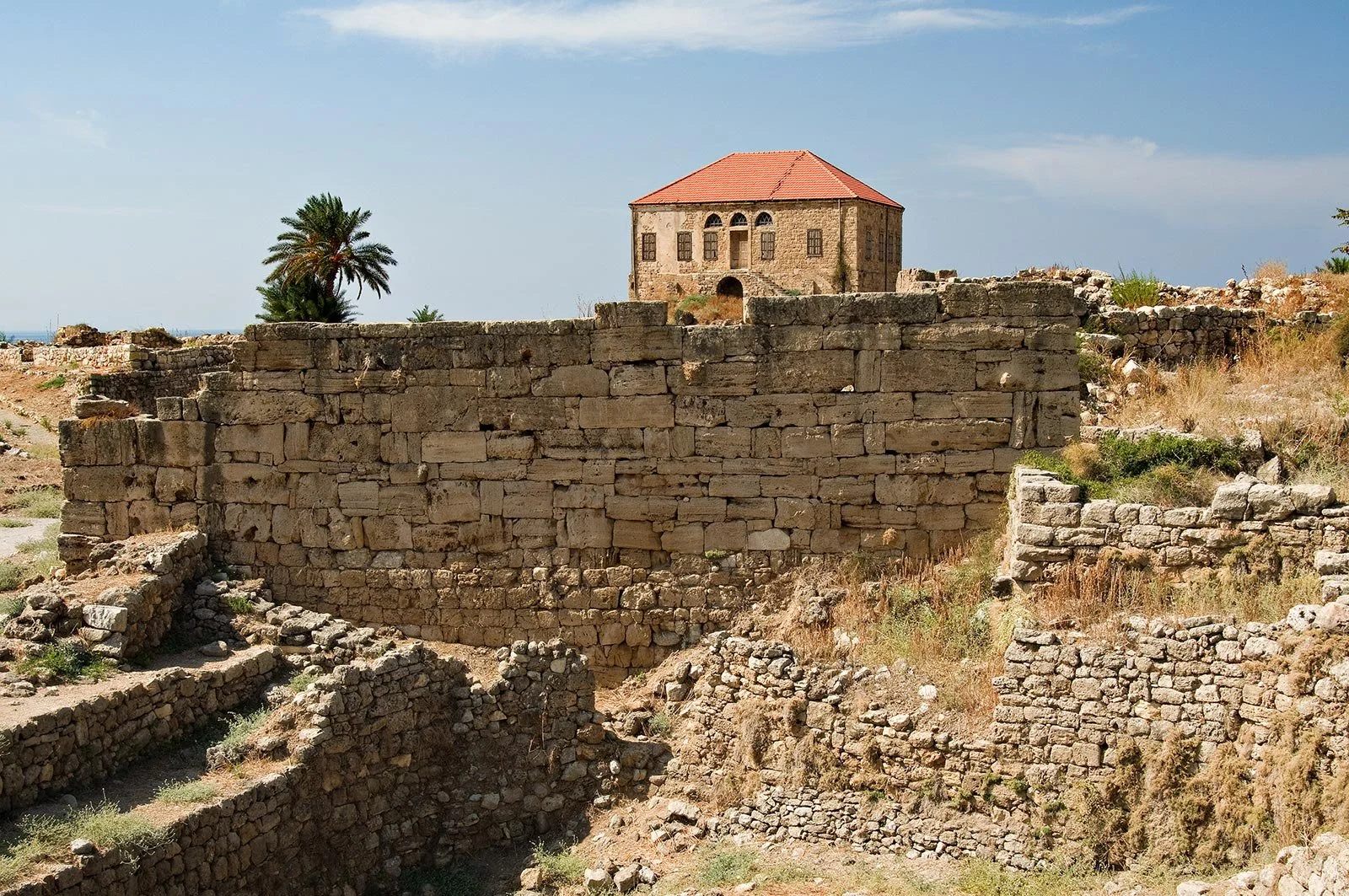
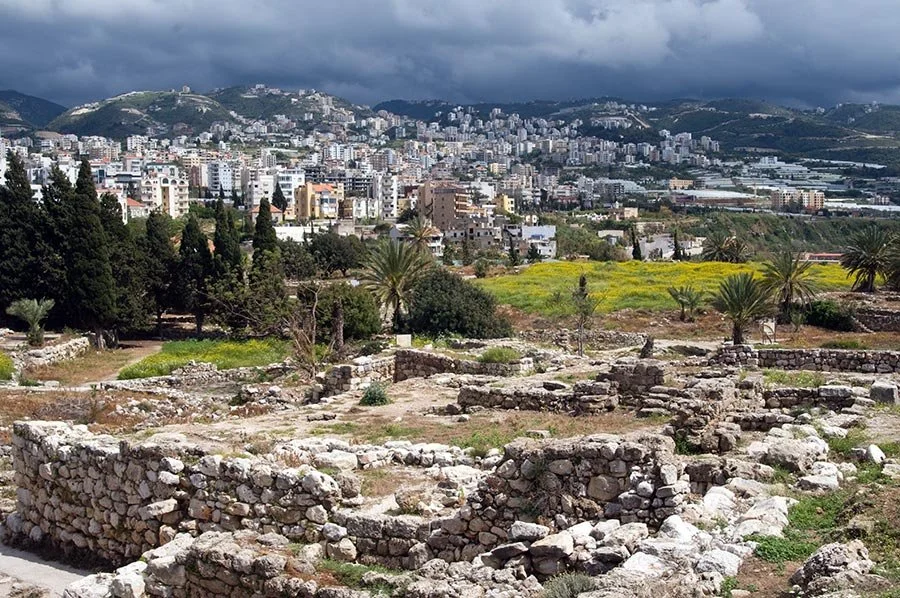
Understand the past. Explore the site.
A place built in layers, where each period rests on the one before it.
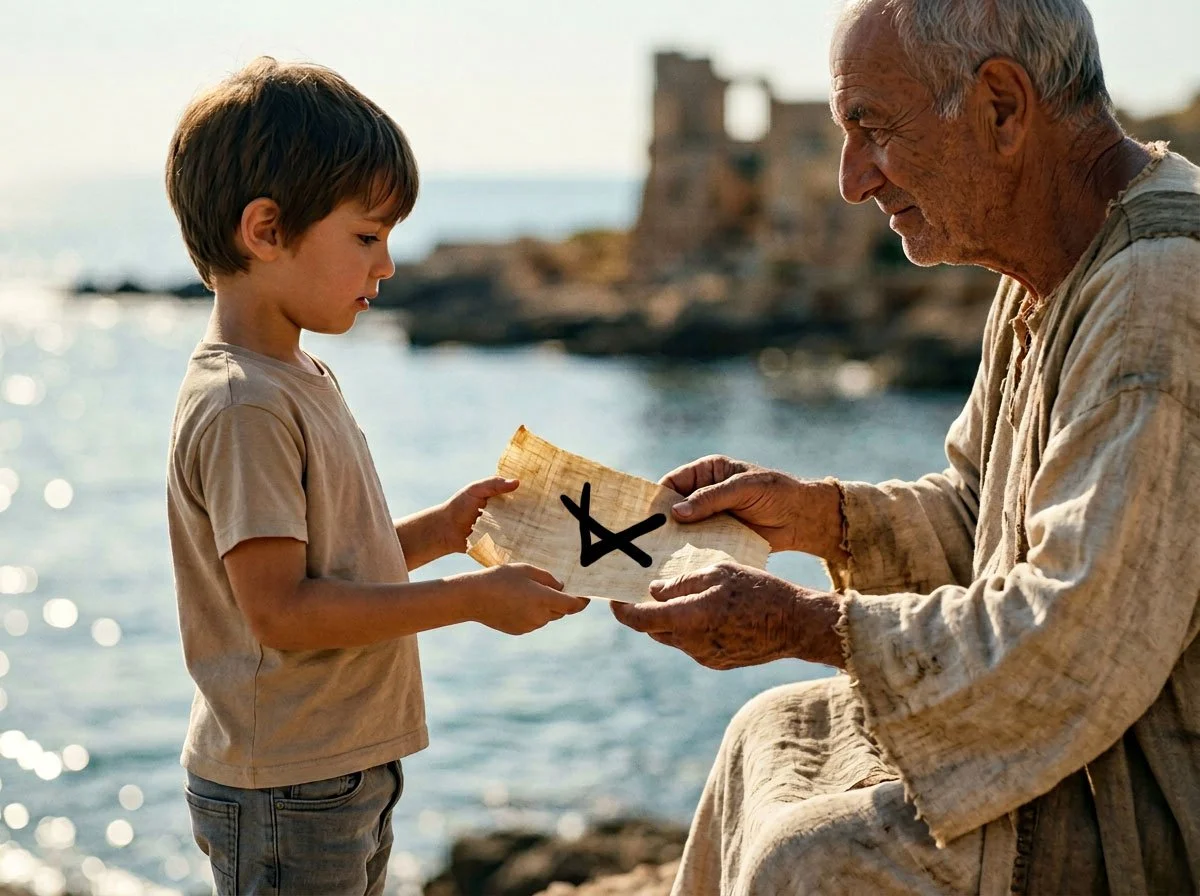
When writing becomes simpler
In Byblos, a discreet transformation begins to reshape the way people write.
A system built on a limited number of signs gradually replaces complex scripts once reserved for trained scribes. With twenty-two characters, all consonantal, the Phoenician alphabet introduces a new principle: writing becomes easier to reproduce, to learn, and to transmit.
From this coastal city in present-day Lebanon, the model spreads across the Mediterranean, evolves, and still forms the foundation of many modern alphabets.
Step into the site
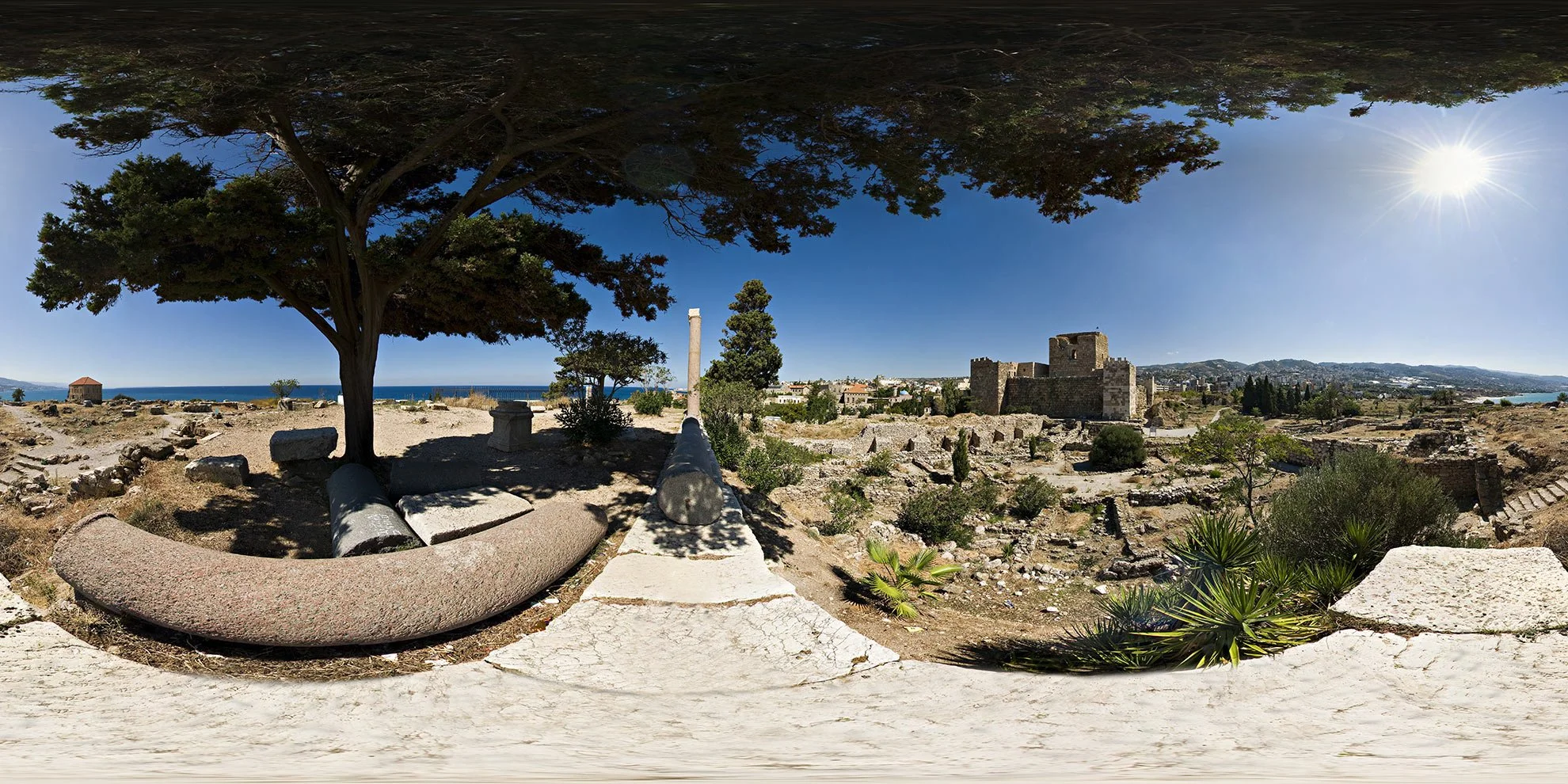
The archaeological site cannot be reduced to a single viewpoint.
The virtual visits make it possible to move, observe, and understand the spaces in their continuity.
A project that began in the field
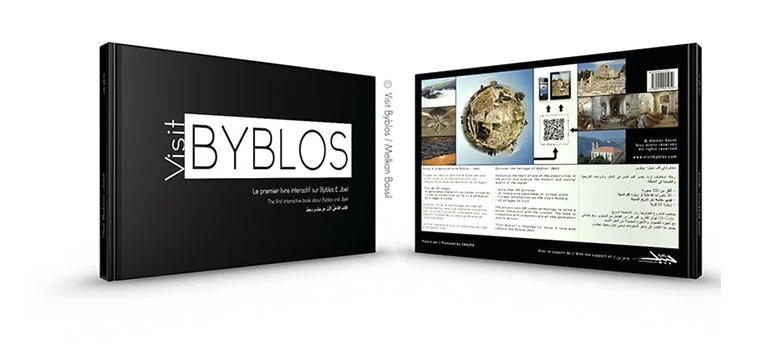
Visit Byblos began as a book, produced in 2013.
Photographs, texts, and virtual visits come together there to offer a first reading of the site.
Today, the project continues here.
Produced with the support of the Municipality of Byblos-Jbeil.
A project in development
Visit Byblos evolves over time.
New content, translations, interactive formats, and cultural projects are currently being developed.
The aim is to build a project that is accessible, structured, and durable, while helping to discover and transmit the memory of Byblos.