
The cedars of Tannourine — Virtual Tour
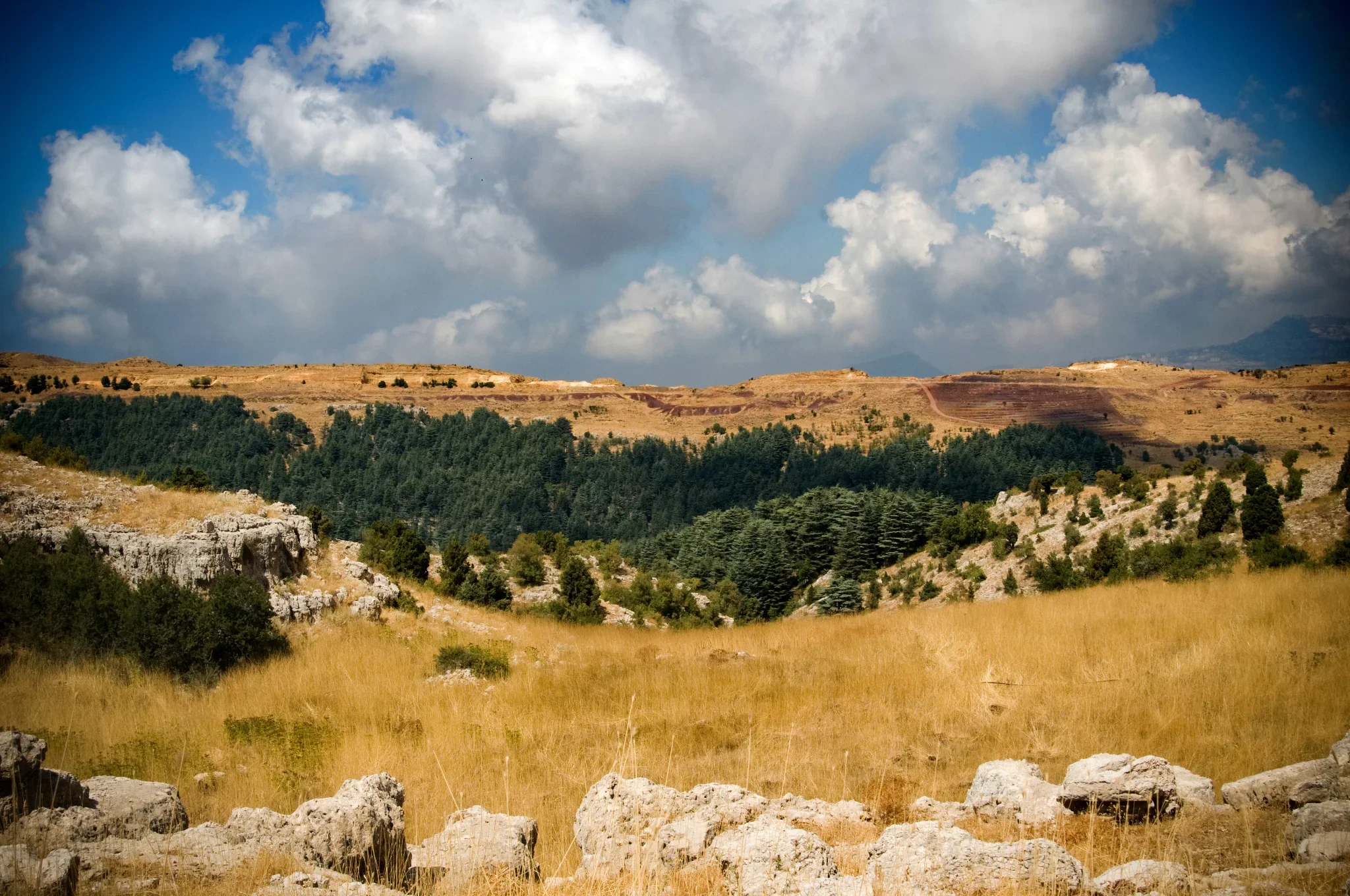
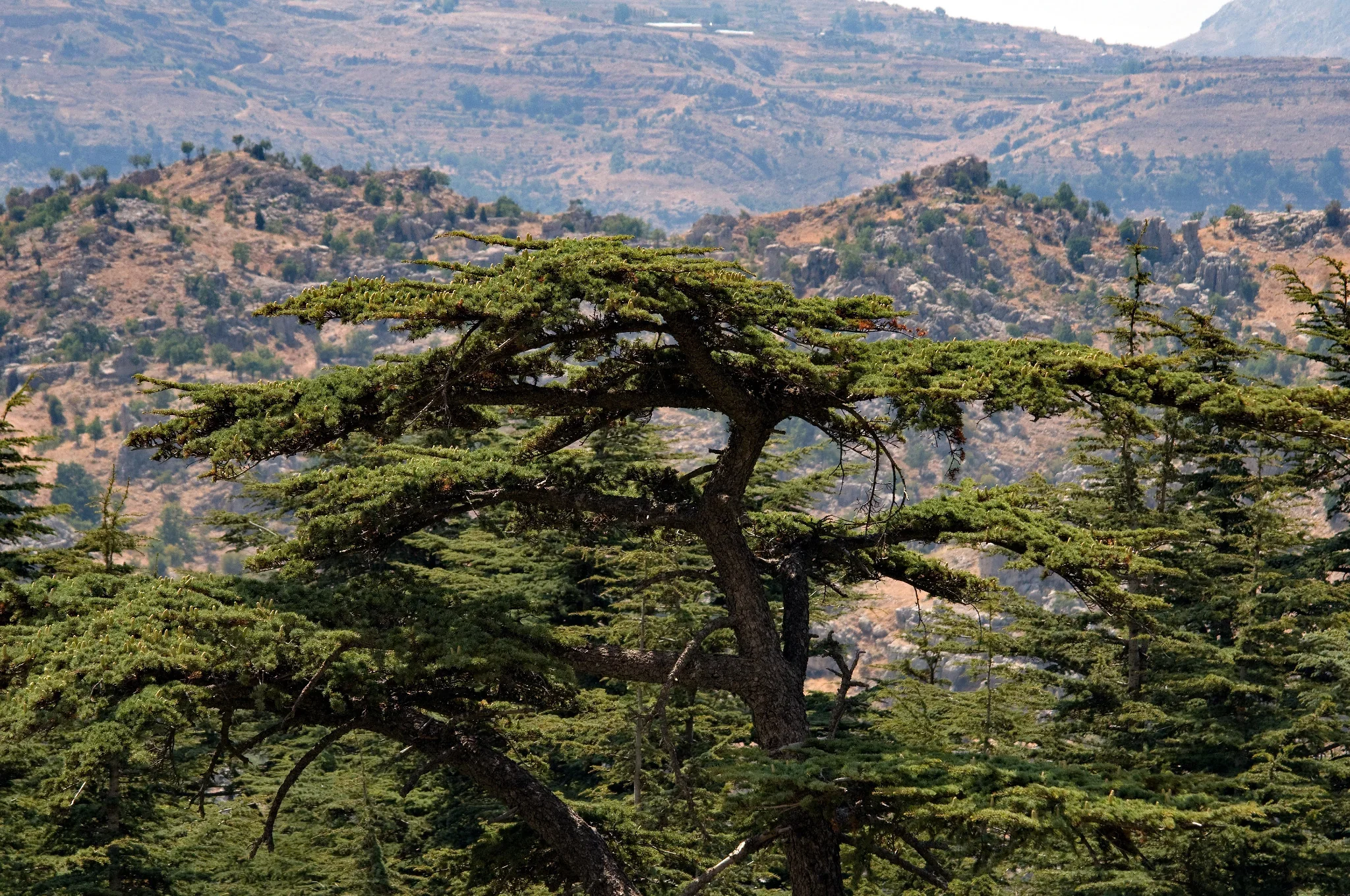
In the mountains of northern Lebanon, the cedars of Tannourine occupy a steep landscape where the forest seems to rise directly from the rock.
Unlike the more open groves of Jaj or the compact forest of Bsharri, Tannourine forms a dense cedar landscape spread across rugged, deeply cut slopes. Created in 1999, the Tannourine Cedars Forest Nature Reserve now protects one of Lebanon’s most important cedar forests.
Here, the cedar does not simply stand within the landscape: it follows its slopes, fractures and rocky relief.
Explore Al Arz Tannourine in 360°
The panorama takes you into a forest where rock and trees occupy almost the entire field of view.
Cedars cling to the slopes, sometimes on remarkably steep terrain, while the relief constantly opens new depths into the landscape. The virtual visit conveys the particular character of a forest that is at once dense, vertical and mineral.
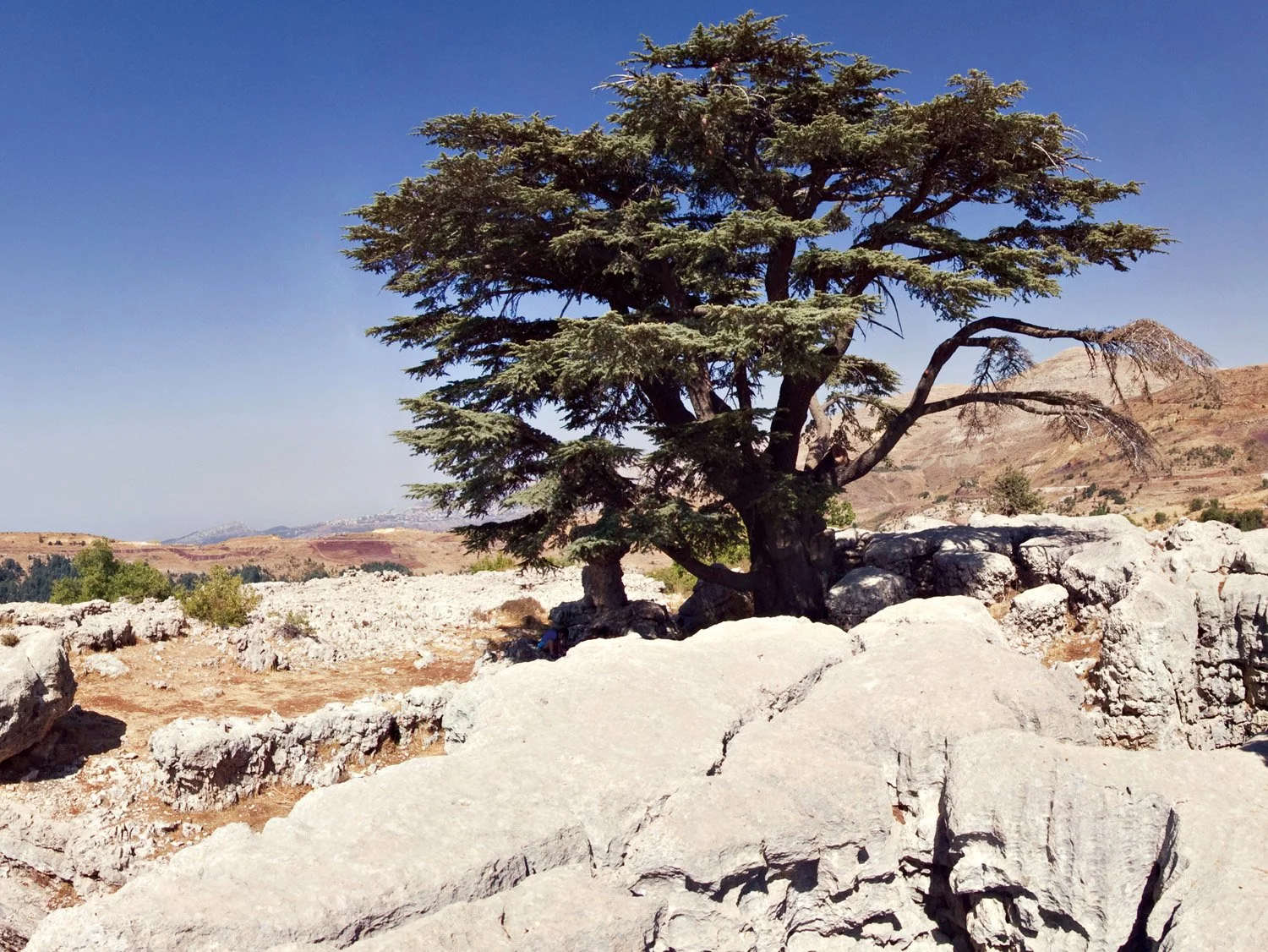
Tannourine, a forest among rocks
The cedar forest of Tannourine forms one of Lebanon’s densest forest landscapes. Its rugged terrain has helped preserve an environment in which trees sometimes appear to grow directly from rocky outcrops and steep mountain slopes.
This close relationship between forest and stone gives Tannourine its distinctive identity.
In At the Heart of Our Forests, the reserve was already described as “an island of green in the midst of a rocky landscape”, a place where the density of the forest revealed the cedar’s remarkable capacity to survive in a demanding environment.
But this apparent strength should not obscure the fragility of the ecosystem.
From the 1990s onwards, the forest was affected by a major infestation caused by an insect previously unknown to science, later identified as a new species and named Cephalcia tannourinensis. Its larvae caused significant defoliation of cedar trees, raising concerns about lasting damage to the forest.
The phenomenon led to several years of research, monitoring and conservation measures involving, among others, the Lebanese Ministry of Environment, the Ministry of Agriculture, the American University of Beirut and French researchers.
Tannourine therefore reminds us that Lebanon’s cedar forests are not simply remnants of an ancient landscape.
They are living ecosystems, exposed to changes in climate, pests, human activity and the continuing demands of conservation.
Within the wider story of Byblos and the cedar, Tannourine occupies a particular place. The sources gathered so far do not allow us to state that timber once exported through Byblos came specifically from this forest. But Tannourine helps us imagine what the great cedar landscapes of Mount Lebanon represented: a resource, a territory and a living world behind the ports of the coast.
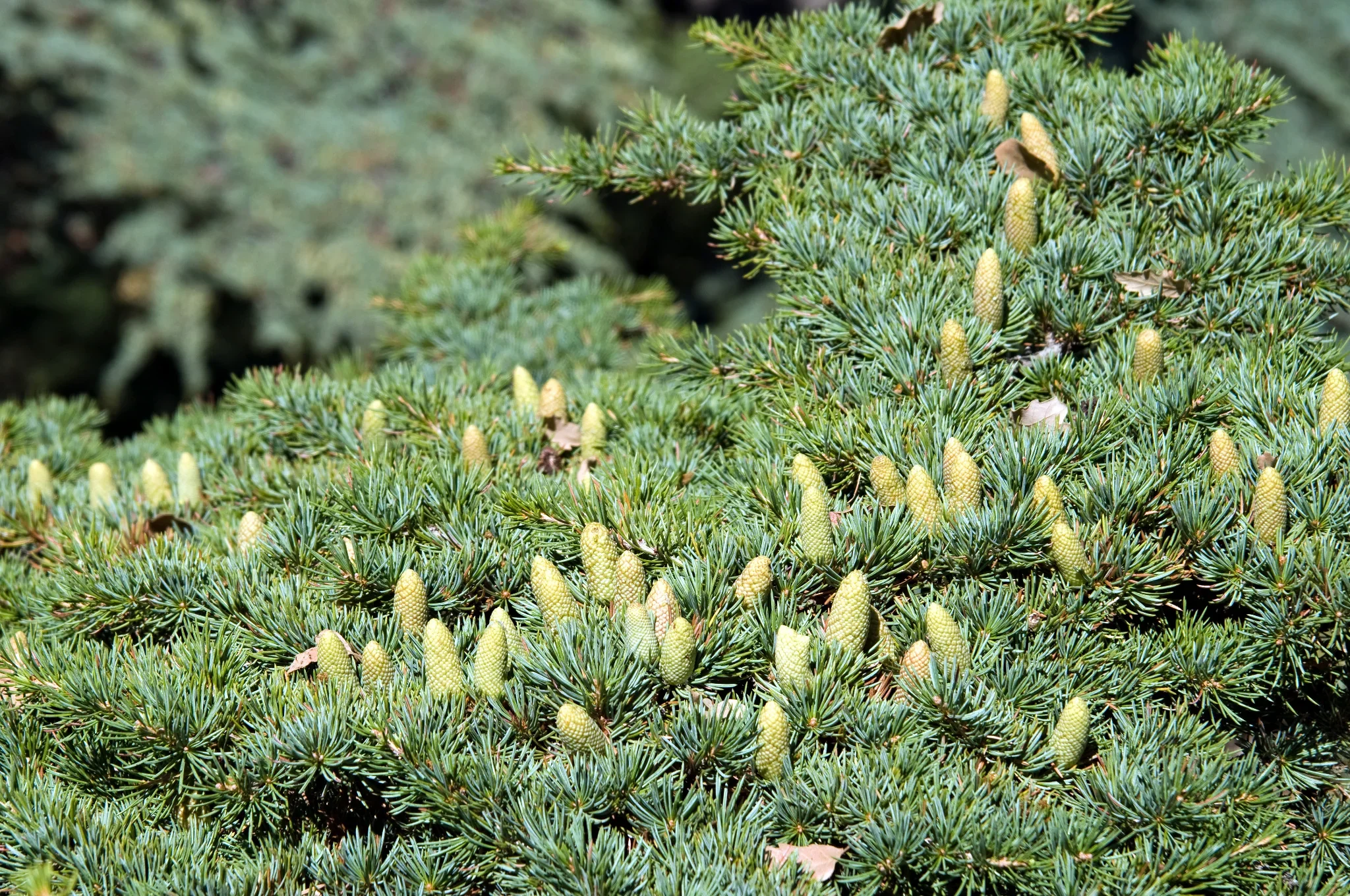
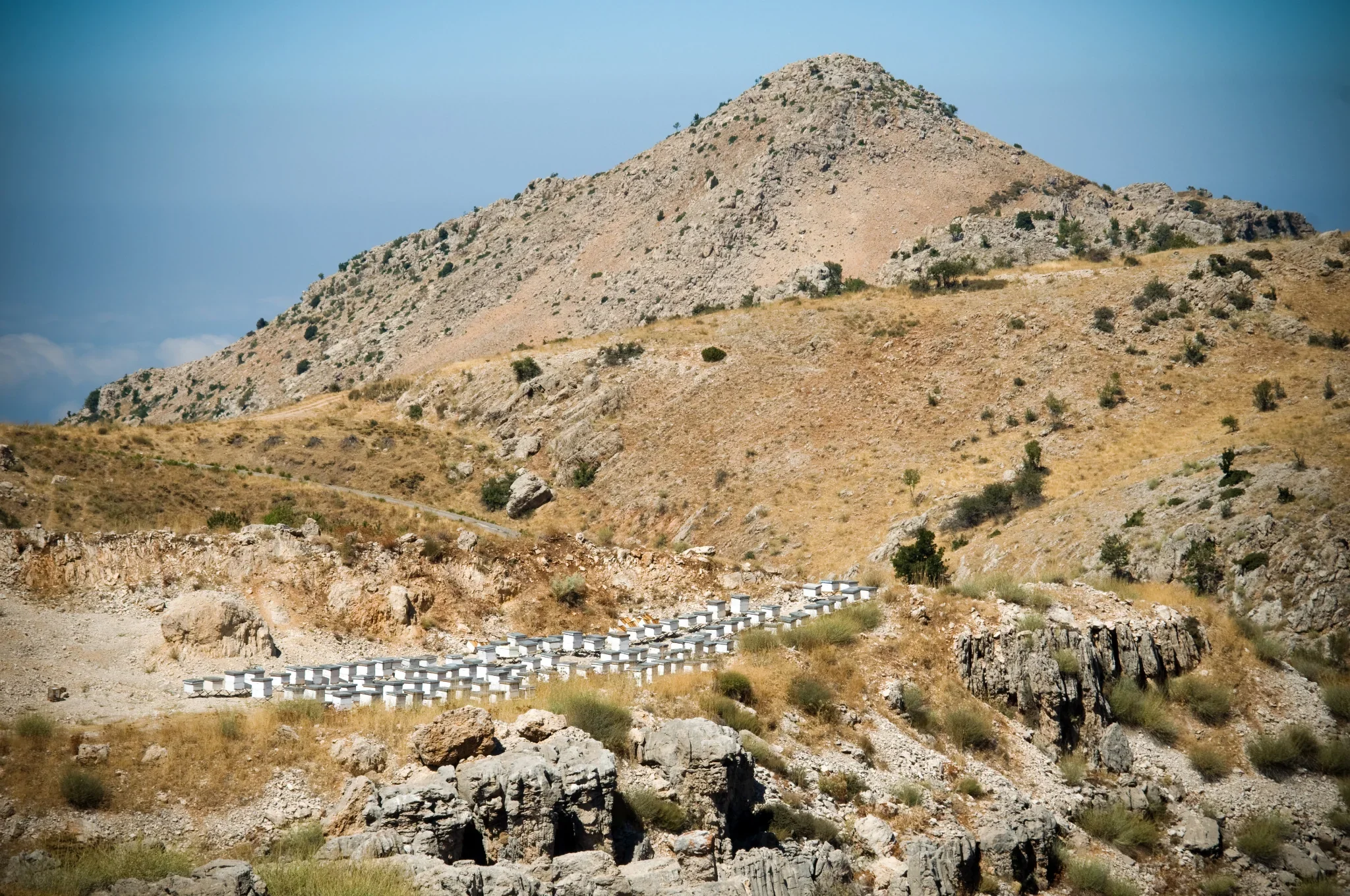
Photo Gallery — The cedars of Tannourine
Sources and references
Lebanese Ministry of Environment — Tannourine Cedars Forest Nature Reserve: establishment of the reserve in 1999, characteristics of the forest, cedar density and biodiversity.
Lebanese Ministry of Environment — Saving the Cedar Forest of Tannourine: documentation on the Cephalcia tannourinensis infestation, scientific research and management measures.
Melkan Bassil — At the Heart of Our Forests, “The Tannourine Nature Reserve”: earlier photographic and editorial work devoted to the forest and its rocky landscape.
Visit Byblos aims to provide documented content based on identified sources. Some information may nevertheless evolve as research advances and new discoveries are made. Documented corrections or additional information are welcome.
Explore Lebanon’s other cedar forests and discover, step by step, the landscapes in which the cedar has endured through the centuries. Jaj, Tannourine, Bsharri and the Shouf: each panorama reveals a different relationship between the tree, the rock and the mountains.
Move along the line to discover another virtual tour.