
The Kings’ Spring — 360° Virtual Tour in Byblos
Beneath the stones of the archaeological site of Byblos, some structures remain almost invisible.
Carved deep into the rock, the King’s Spring provided access to a water reserve located below the level of the ancient city. In a settlement continuously inhabited for millennia, controlling water meant ensuring the continuity of life, trade, and religious activity.
Located near the great sanctuaries of Byblos, this underground well reflects a city organized around essential resources, integrated into both daily life and the symbolic balance of the site.
Explore the King’s Spring in 360°
From the edge of the well, the rock reveals traces shaped by centuries of successive developments.
This virtual tour allows visitors to observe the organization of the terrain surrounding the spring, between ancient structures, quarry levels, and remains of the religious center of Byblos.
360° virtual tour from the ancient spring of the archaeological site of Byblos
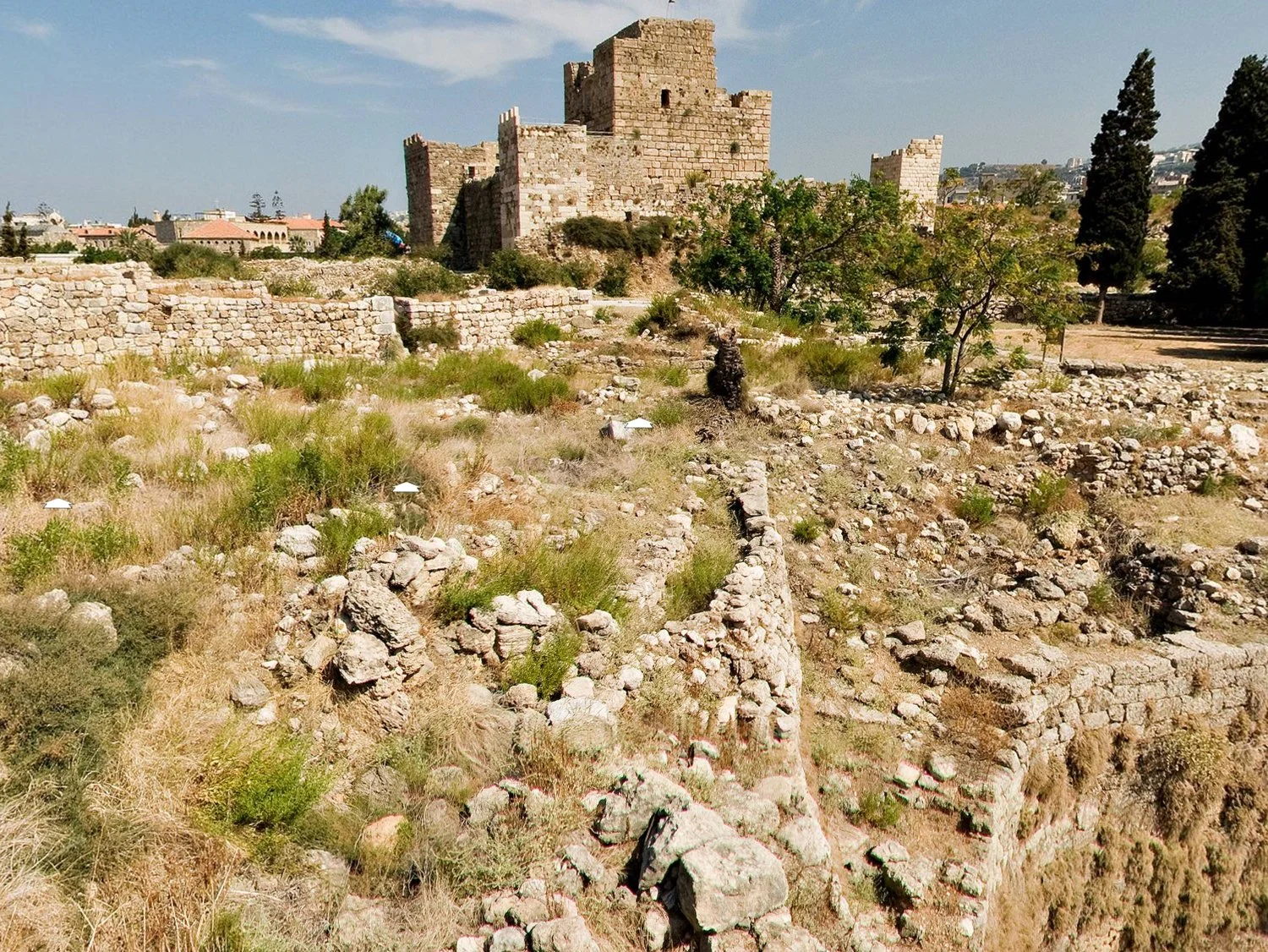
A spring at the heart of the ancient city
Only a few meters from the Temple of Baalat Gebal — the main deity of the Phoenician city — this underground structure reveals another dimension of the ancient settlement: the hidden infrastructures that made long-term human occupation possible.
In ancient Mediterranean societies, access to water shaped both urban organization and political or religious stability. Wells, cisterns, and springs formed an essential part of the city’s structure.
The landscape visible today also preserves traces of much older periods. The quarry visible nearby belongs to the pre-Amorite levels of the site, predating the major urban transformations of the Middle Bronze Age. These excavations bear witness to the earliest phases of development on the promontory, long before the monumental organization of the ancient city.
Towards the end of the 3rd millennium BC, Byblos underwent major upheavals linked to the Amorite invasions that affected much of the Levant. Several ancient structures were destroyed, transformed, or rebuilt over the centuries that followed.
In Byblos, however, these ruptures never completely erased previous occupations. The site continued to develop through successive layers, each period reusing traces of the one before it.
Photo Gallery — The King’s Spring and surrounding remainss
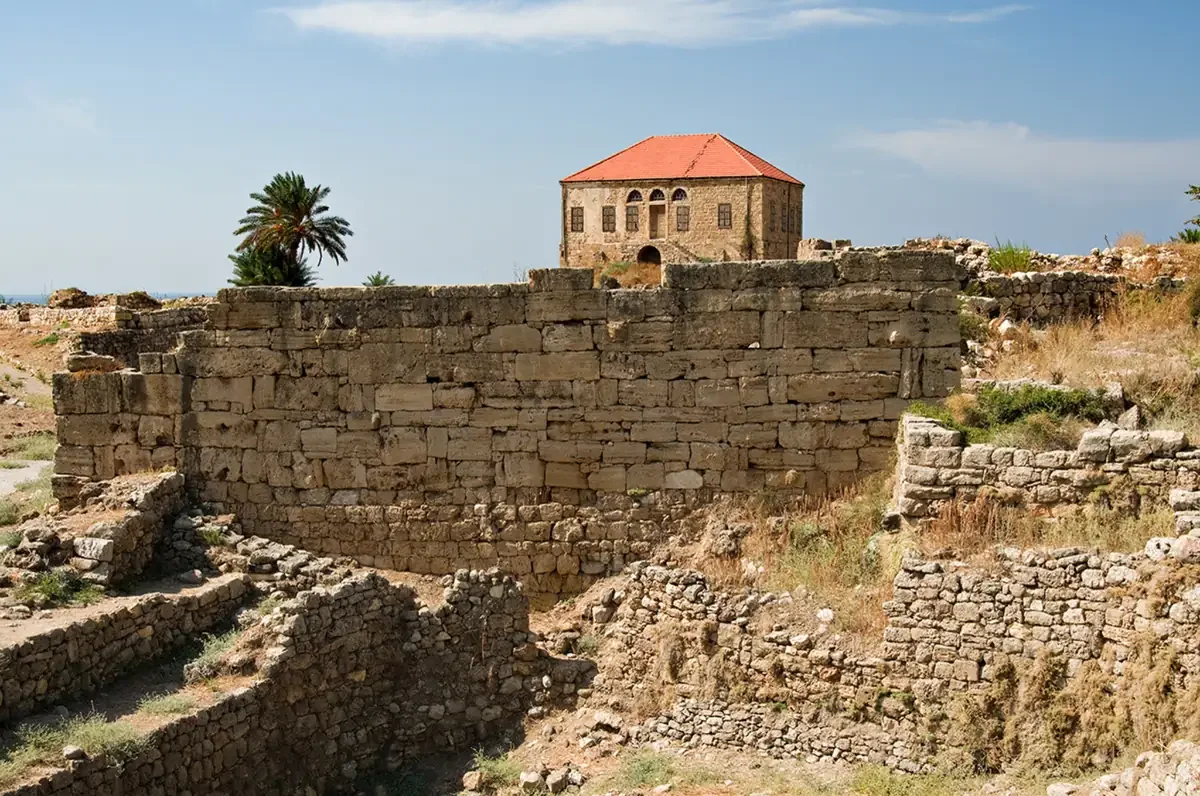

Explore the other areas of the archaeological site of Byblos and journey, step by step, through the different layers of its history. Temples, fortifications, the Roman theatre, or the Crusader castle: each panorama reveals another dimension of the archaeological site.
Walk along the line to discover a new virtual tour.